
.svg)
What Diesel Diagnostics Can Tell You Before a Breakdown Happens
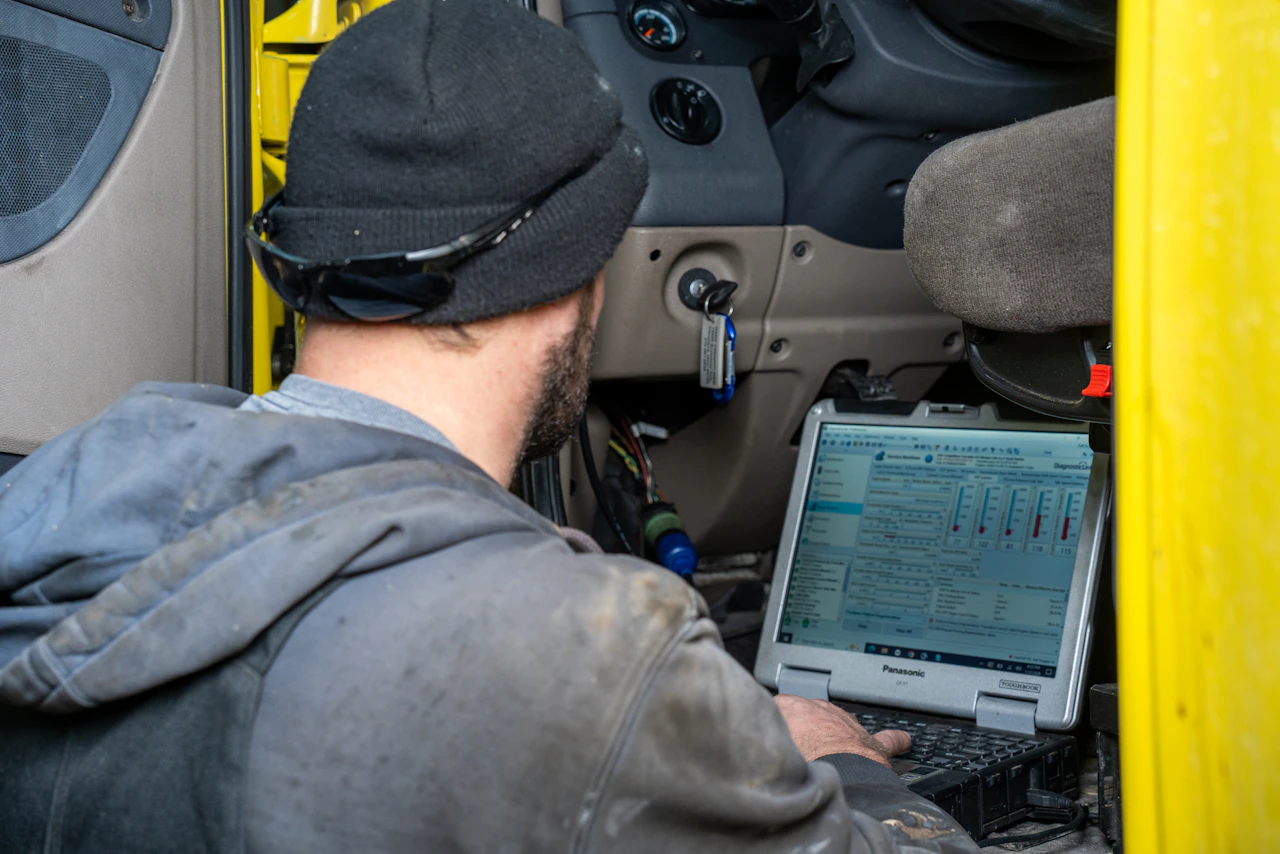
Diesel diagnostics can identify developing mechanical and electrical problems long before they leave your truck stranded on the side of the road. By monitoring your truck's electronic systems, diesel diagnostics detect faults that may not yet produce noticeable symptoms, allowing repairs to be made before they turn into expensive breakdowns.
Modern heavy-duty trucks depend on dozens of sensors and an Engine Control Module (ECM) to monitor engine performance, emissions systems, fuel delivery, and electrical components. When one system begins operating outside its normal range, the ECM records diagnostic information that trained technicians can use to identify the root cause before a failure occurs.
Your Truck Often Detects Problems Before You Do
Diesel diagnostics allow your truck to recognize abnormal operating conditions before most drivers notice a change in performance. That's because the ECM constantly compares live sensor readings against manufacturer specifications, looking for irregularities that could indicate developing problems.
A warning light isn't the beginning of the problem. It's simply the first time your truck tells you something has changed.
Modern diagnostics monitor systems including:
- Engine Control Module (ECM)
- Fuel injection system
- Turbocharger
- Diesel Particulate Filter (DPF)
- Selective Catalytic Reduction (SCR)
- Diesel Oxidation Catalyst (DOC)
- Exhaust Gas Recirculation (EGR)
- Temperature, pressure, airflow, and emissions sensors
Because these systems work together, one failing component can create several warning codes if it isn't diagnosed promptly.
Small Faults Can Become Major Breakdowns
Most roadside breakdowns begin as smaller issues that gradually worsen over time. A failing sensor, restricted fuel filter, boost leak, or weak electrical connection may not immediately stop your truck, but each one places additional stress on surrounding components.
For example, a faulty sensor may prevent proper DPF regeneration. Over time, soot continues building inside the filter until exhaust backpressure increases enough to reduce engine performance or place the truck into derate mode.
Addressing these faults early often prevents much larger repairs later.
Diagnostics Are Essential on Austin's Busy Freight Routes
Diesel diagnostics become even more valuable when your truck operates on Austin's busiest commercial highways because unexpected breakdowns create significant downtime and safety risks.
A breakdown on I-35 during rush hour or along SH-130, where trucks often travel at highway speeds for long distances, can quickly become more than an inconvenience. Recovery costs, missed deliveries, and extended downtime all increase when minor mechanical issues are allowed to develop into major failures.
Routine diesel diagnostics help identify those issues before they leave you waiting for roadside assistance.
What Diesel Diagnostics Can Reveal
Professional diesel diagnostics provide far more information than simply reading fault codes. They allow technicians to evaluate how multiple systems are performing together and determine why a warning appeared.
Comprehensive diagnostics can identify:
- Declining fuel rail pressure
- Weak sensor signals
- Turbocharger performance issues
- DPF restriction
- SCR efficiency concerns
- DEF system faults
- Air intake leaks
- Electrical communication faults
- Charging system problems
- Intermittent wiring issues
Finding these concerns early often reduces repair costs while preventing secondary damage.
Can Diagnostics Find Problems Without a Check Engine Light?
Yes. Many developing problems appear in live operating data before they trigger a warning light. Professional diagnostic equipment allows technicians to identify abnormal readings that haven't yet stored an active fault code.
Diagnostics Save Time and Money
Routine diesel diagnostics reduce repair costs by identifying problems before additional components are affected. Instead of replacing multiple damaged parts after a breakdown, technicians can often repair the original issue while it's still relatively minor.
Preventive diagnostics also help reduce:
- Unexpected downtime
- Emergency roadside repairs
- Towing expenses
- Lost productivity
- Missed delivery schedules
That proactive approach keeps trucks available for work instead of sitting in the repair bay.
How Often Should Diesel Diagnostics Be Performed?
Many fleet operators include diesel diagnostics as part of every preventive maintenance inspection. Additional diagnostic testing is also recommended whenever a warning light appears, performance changes, or fuel economy suddenly declines.
Stay Ahead of Breakdowns
Diesel diagnostics provide valuable insight into your truck's health before a roadside breakdown occurs. Identifying developing problems early helps protect major engine components, reduce downtime, and keep your truck operating reliably on Austin's demanding freight routes.
If your truck displays a warning light or you're due for preventive diagnostics, the team at Atlas Truck Repair is ready to help. We help drivers throughout Central Texas identify problems early and get back on the road with confidence.
Continue exploring our resource centre to learn if fleet maintenance software is worth it.
Contact Atlas Tire and Truck Center
Contact Atlas Tire and Truck Center today for professional heavy-duty truck repair & commercial fleet maintenance services, in-shop in Channelview, Texas & mobile service to Houston and the surrounding areas.