
.svg)
Signs Your Semi-Truck Exhaust System Needs Immediate Repair
Why the Exhaust System Is So Important
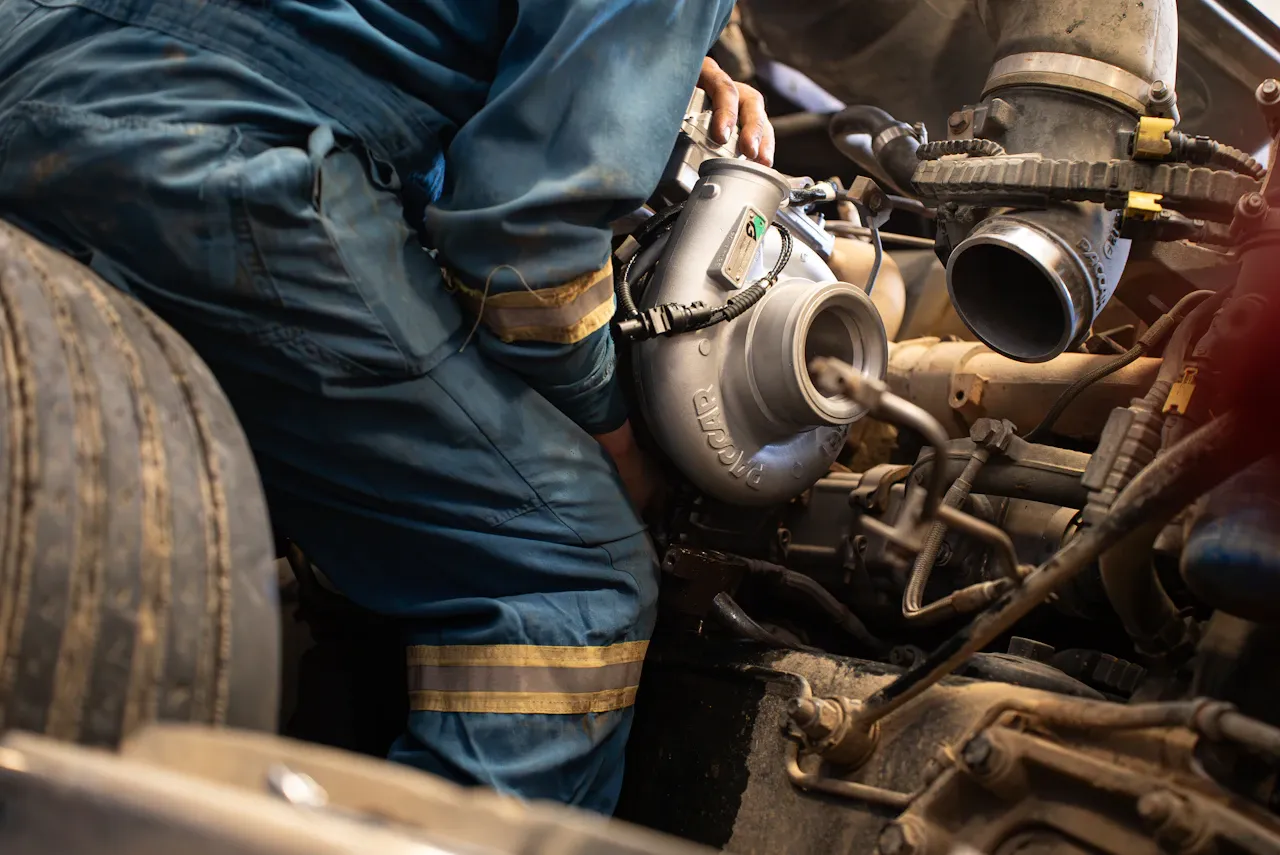
A heavy-duty truck's exhaust system directs combustion gases away from the engine while reducing pollutants released into the atmosphere. Modern systems include components such as the exhaust manifold, turbocharger, Diesel Oxidation Catalyst (DOC), Diesel Particulate Filter (DPF), Selective Catalytic Reduction (SCR) system, and associated sensors.
When one component fails, it can affect the entire system. Reduced fuel efficiency, power loss, emissions violations, and expensive engine damage can quickly follow if repairs are delayed.
Excessive Exhaust Smoke
One of the most obvious indicators of exhaust system trouble is abnormal exhaust smoke. Different smoke colours often point to different underlying issues:
Black Smoke
Black smoke typically indicates incomplete fuel combustion. Common causes include:
- Clogged air filters
- Faulty fuel injectors
- Malfunctioning turbochargers
- Restricted exhaust flow
- DPF issues
A blocked or failing exhaust component can prevent proper airflow, causing the engine to burn fuel inefficiently.
White Smoke
White smoke may indicate:
- Coolant entering the combustion chamber
- Injector problems
- Incomplete fuel combustion during cold starts
Persistent white smoke should never be ignored because it can signal significant engine or exhaust-related concerns.
Blue Smoke
Blue smoke generally means the engine is burning oil. Worn seals, damaged turbocharger components, or excessive engine wear can all contribute to this issue.
Noticeable Loss of Engine Power
A healthy exhaust system allows exhaust gases to flow freely through the system. When restrictions develop, engine performance often suffers.
You may notice:
- Slower acceleration
- Reduced pulling power on grades
- Difficulty maintaining highway speeds
- Increased turbo lag
A clogged Diesel Particulate Filter, failing SCR system, or damaged exhaust piping can create excessive backpressure. As backpressure rises, the engine must work harder to expel exhaust gases, reducing overall performance. For trucks operating in Houston's stop-and-go traffic and high-temperature conditions, these restrictions can become even more problematic.
Poor Fuel Economy
Fuel costs represent one of the largest operating expenses for any fleet or owner-operator. A sudden drop in fuel efficiency often signals an exhaust system problem.
When exhaust flow becomes restricted, the engine compensates by consuming more fuel to maintain power output. Components such as a clogged DPF, malfunctioning sensors, or a failing EGR system can negatively impact combustion efficiency.
If fuel consumption increases without any significant changes in route, load, or driving conditions, the exhaust system should be inspected immediately.
Strong Exhaust Odours
Modern diesel trucks are designed to minimize exhaust fumes reaching the cab and surrounding environment. If you suddenly notice strong diesel exhaust smells, a leak may be present.
Common causes include:
- Cracked exhaust pipes
- Damaged flex pipes
- Leaking exhaust manifolds
- Failed gaskets
- Loose clamps and connections
Exhaust leaks can expose drivers to harmful gases and may create dangerous operating conditions. Immediate inspection is recommended whenever unusual exhaust odours appear.
Frequent DPF Regeneration Cycles
The Diesel Particulate Filter captures soot generated during combustion. To continue functioning properly, it periodically undergoes regeneration to burn off accumulated particulate matter.
However, excessive regeneration frequency often indicates a problem.
Signs include:
- Regeneration occurring more often than normal
- Increased idle times during regeneration
- Dashboard warning lights
- Reduced fuel economy
Underlying causes may include faulty sensors, excessive soot production, injector problems, or partial DPF blockage. Ignoring repeated regeneration issues can eventually result in complete DPF failure and costly repairs.
Illuminated Check Engine or Emissions Warning Lights
Modern trucks continuously monitor exhaust system performance through a network of sensors and electronic controls.
Warning indicators may include:
- Check engine light
- Emissions system warning
- DPF warning light
- DEF system warning
- SCR fault notifications
While warning lights do not always indicate a severe issue, they should never be ignored. Many emissions-related faults can place the vehicle into a derate mode, limiting speed and power until repairs are completed.
Early diagnostics can often prevent a minor issue from becoming a major repair.
Unusual Engine or Exhaust Noises
Changes in exhaust sound frequently indicate developing problems.
Listen for:
- Excessively loud exhaust noise
- Hissing sounds
- Rattling components
- Whistling noises
- Ticking sounds during acceleration
A damaged exhaust manifold, cracked piping, loose heat shields, or failing turbocharger components can all produce unusual noises.
Because these issues often worsen over time, prompt inspection is essential.
DEF System Problems
The Diesel Exhaust Fluid (DEF) system plays a vital role in reducing nitrogen oxide emissions through the Selective Catalytic Reduction process.
Common DEF-related warning signs include:
- DEF warning messages
- Reduced engine power
- Increased DEF consumption
- Crystallized DEF deposits
- SCR fault codes
A malfunctioning DEF injector, contaminated fluid, failed sensors, or SCR catalyst issues can trigger these symptoms. Because emissions regulations are strict, unresolved DEF system problems can lead to compliance issues and significant downtime.
Visible Exhaust System Damage
Routine visual inspections can reveal developing problems before they become severe.
Look for:
- Rusted exhaust pipes
- Cracked welds
- Loose brackets
- Corrosion around joints
- Damaged heat shields
- Physical impact damage
Increased Engine Temperatures
Exhaust restrictions can contribute to elevated engine operating temperatures. When exhaust gases cannot exit efficiently, excess heat remains trapped within the engine and turbocharger system. This added stress can affect:
- Turbocharger performance
- Engine reliability
- Fuel efficiency
- Aftertreatment system operation
When Immediate Repair Is Necessary
Certain symptoms warrant immediate attention because they can quickly escalate into major failures.
Seek professional inspection right away if you experience:
- Significant power loss
- Heavy exhaust smoke
- Strong exhaust odours
- Repeated emissions fault codes
- Frequent DPF regenerations
- DEF system warnings
- Loud exhaust leaks
Keep Your Exhaust System in Top Shape
Excessive smoke, power loss, poor fuel economy, warning lights, unusual noises, and DEF-related faults should never be ignored. Early diagnosis and repair can prevent expensive component failures while keeping your truck operating safely and efficiently on the road.
If you notice any of these warning signs, contact Atlas Tire and Truck Center for professional exhaust system diagnostics and repairs in Houston, TX.
Contact Atlas Tire and Truck Center
Contact Atlas Tire and Truck Center today for professional heavy-duty truck repair & commercial fleet maintenance services, in-shop in Channelview, Texas & mobile service to Houston and the surrounding areas.